

Campaign-Aligned Packaging Strengthens Brand Consistency
Packaging is frequently briefed and produced separately from the campaign collateral it sits alongside, often by an entirely different team within the same organisation. Different supplier, different production schedule, sometimes a different print process entirely. The result is a product that looks slightly disconnected from the advertising and collateral actually driving someone toward it in the first place.
Why Packaging Should Not Be an Afterthought
When packaging is treated as a separate workstream from the rest of a campaign, colour drifts, finishes diverge, and the brand experience feels genuinely fragmented at exactly the moment it matters most: when a customer actually holds the product in their hands after seeing it advertised elsewhere. This is entirely avoidable, but only if packaging is planned alongside collateral from the start rather than briefed as an afterthought once everything else is already locked.

Aligning Box, Collateral and Display Colour and Finish
Coordinating packaging alongside printed collateral, display materials and environmental graphics from the outset aligns colour, materials and finishing across every single touchpoint a customer might encounter. The box matches the brochure. The insert matches the book. The entire set reads as one considered piece of work, rather than several separately sourced items that merely happen to share the same logo somewhere on them.

Coordinating Packaging Within Campaign Production
We manage packaging production within the same workflow as campaign collateral, on the same floor, checked by the same team. Colour is profiled across substrates as a deliberate step, since the same brand colour behaves differently on a coated stock versus a packaging board, and that difference needs to be managed on purpose rather than discovered by accident after both have already gone to print. Die-cutting and structural development are coordinated with print scheduling directly at Carbon8, not bolted on afterward.
This becomes especially important for FMCG brands running seasonal SKU variants, where a slightly different pack colourway needs to match a slightly different collateral variant without either drifting from the master brand palette. Profiling colour once, across every substrate the campaign touches, rather than proofing each substrate independently, is what keeps a multi-SKU seasonal rollout visually coherent on shelf.
The same logic extends to embellishment. If a hero SKU carries foiling on its packaging, matching that foil placement and finish on any accompanying collateral, a shelf-talker or header card, reinforces the premium positioning rather than undercutting it with a flat, unembellished companion piece. Coordinating these decisions once, at the campaign level, rather than per asset, is where the consistency actually gets built in.
Timing sequencing for a campaign with a packaging component usually means packaging needs to be finalised earliest, since structural development and die-cutting take longer to lock than flat collateral. Briefing packaging last, as often happens when it is treated as a secondary consideration, inverts the natural production sequence and creates avoidable schedule pressure right at the point the whole campaign is meant to be converging.
This sequencing point is worth raising directly with a creative or media agency early in a campaign, since packaging timelines are frequently the last thing considered in a media-led campaign plan built around launch date and channel mix rather than physical production lead times. Flagging the packaging lead time at the start of planning, not partway through, avoids the whole campaign being held up by the one physical element that could not be rushed.
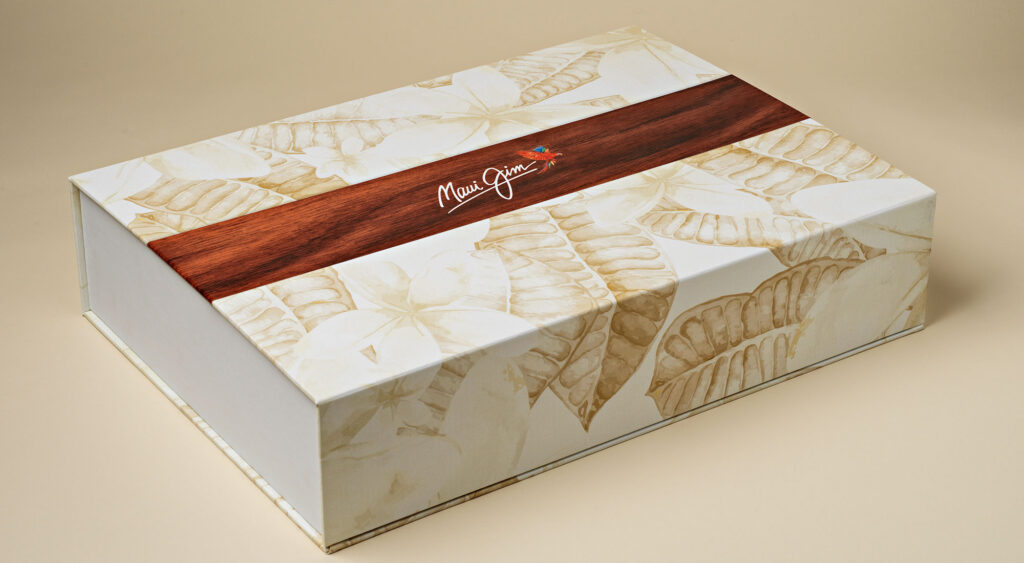
Sequencing and Dispatch for Unified Delivery
Assembly and dispatch are managed internally so that packaging and collateral arrive together as a set, rather than on staggered timelines that leave a retail partner or client with half the campaign materials for several days. For a retail or FMCG launch, this coordination is precisely what makes the shelf presence, the in-store display and the product packaging read as one unified campaign rather than three separate production efforts that only loosely resemble each other.
When Packaging Carries Campaign Weight
This integrated approach applies most directly to product launches, corporate gifting, influencer packs, retail activations and any campaign where packaging carries genuine brand weight rather than functioning as a plain, forgettable container. If an upcoming campaign includes a boxed element of any kind, involving packaging production early protects both consistency and timing across the whole rollout.