

Direct Mail: When Physical Campaigns Convert
Direct mail gets dismissed as a legacy channel more often than the data supports. For considered purchases, higher-value audiences, and campaigns where a digital inbox is easy to ignore, a well-produced physical piece still earns attention that a scrolling thumb rarely gives an email.
What determines whether a direct mail campaign converts is rarely the offer itself. It is the production behind it, and that is where most direct mail underperforms its potential.
Why Direct Mail Still Works
Digital channels compete for the same six inches of a screen as everything else in someone’s day: notifications, other emails, social feeds. A physical mail piece, if it looks considered rather than mass-produced, does not have that competition. It sits on a desk or a kitchen counter until it is dealt with, and that persistence is the channel’s real advantage over anything that can be swiped away in half a second.
This works best for audiences making decisions that are not impulse purchases: property, financial services, premium retail, B2B offers with real consideration behind them. Response rates on well-targeted direct mail routinely beat cold email for exactly this reason. The channel rewards relevance and quality, and it punishes anything that reads as generic just as quickly.
Variable Data Personalisation at Scale
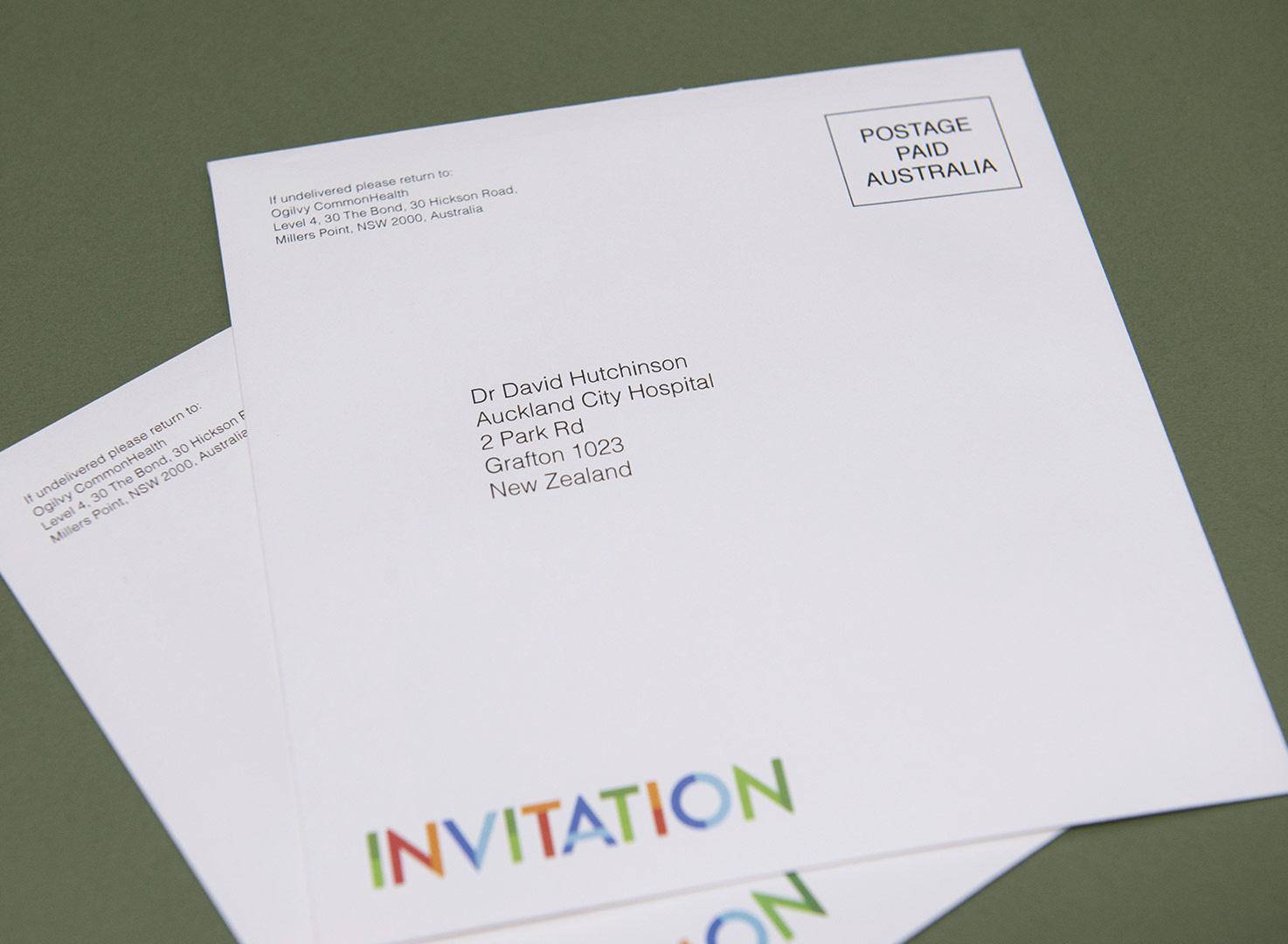
The gap between a generic mailer and a targeted one is variable data printing. Names, addresses, offers, imagery and messaging can all change piece to piece within a single production run, with no separate setup cost for each variant the way traditional offset would require.
Consider a property developer running a pre-launch campaign across three suburb catchments. Rather than one generic brochure mailed identically to all three, variable data allows the hero render, the price point framing and even the call-to-action to shift by catchment, drawing on local schools, transport links or amenity that resonates with that specific audience. The production cost difference between this and a single static run is marginal; the response difference is not.
Done properly, this means a 5,000-piece run can carry ten or more distinct offer variants matched to segment, without running ten separate print jobs at ten separate setup costs. A property developer, for instance, can send different renders and pricing to different suburb catchments in the same mail-out. Done poorly, variable data means merge errors, mismatched imagery, or a personalisation field that reads as an obvious mail-merge artifact, which undoes the entire point of personalising in the first place. The production discipline behind the data handling is what separates the two outcomes, and it starts well before anything reaches the press.

Production Quality and Colour Accuracy
A poorly printed direct mail piece undermines the offer it is delivering, regardless of how good the copy or the strategy behind it is. Colour drift, soft imagery, or visible banding across a print run all read as low effort before anyone has even engaged with the message.
Our HP Indigo output holds consistent colour and sharp imagery across the full run, piece to piece, which matters more for direct mail than most other formats. A brochure sitting in a rack tolerates minor inconsistency between copies, because nobody compares two brochures side by side. A mail piece landing individually in someone’s hand does not get that forgiveness; it is judged entirely on its own.

Format, Paper and Finishing for Response
Stock weight and finish signal intent before anyone reads a word. A flimsy, lightweight piece reads as bulk mail and often gets treated as such, sorted straight to recycling with the rest of the day’s junk. A considered stock with the right weight and finish reads as something worth opening, and that first two seconds of handling determines whether the message underneath gets read at all.
Finishing choices affect open rates and response measurably: a spot UV highlight on a key element, a folded self-mailer format that reveals information progressively, an envelope with a teaser line printed on the outside. These decisions are worth making with production input rather than defaulting to whatever format is cheapest to produce, since the cost difference between a forgettable mailer and a memorable one is often marginal against the media spend already committed to the campaign.
Managing Print, Finishing and Distribution
We manage direct mail production end to end: data processing, variable printing, finishing, and letterbox distribution coordinated in-house rather than handed to a separate distributor partway through the job. That coordination removes a handoff point where timing and targeting most commonly break down, particularly when a campaign needs to land in specific postcodes on a specific date to align with a broader media push.
If direct mail is part of an upcoming campaign, the production conversation is worth having before the brief is locked. Format, personalisation strategy and distribution timing all affect the result, and each is considerably easier to plan for early than to fix after a run has already been committed to press.